
RBI Guidelines
RBI Guidelines For 101 Original EMI Locker by IMF L & T
Loan Agreements and Terms & Conditions
- To inform customers that an EMI locker by IMF L & T feature can disable their phone for non-payment, use clear, explicit and legally compliance language that emphasizes informed consent and data privacy protection, in line with emerging Reserve Bank of India(RBI) guidelines.
- "Device Functionality on Default: The borrower acknowledges and explicitly consents that in the event of a missed or delayed EMI payment, the financed device may be remotely rendered inoperable (temporarily locked) until all outstanding dues are cleared. This mechanism is part of the loan agreement and is a condition for receiving financing. No personal data will be accessed during this process."
- Prior Consent for Device Lock: By signing this agreement, you provide your explicit and informed consent for the activation of a device-locking feature if you default on your EMI payments, in accordance with the RBI's proposed Fair Practices Code amendments. The purpose of the lock is solely to encourage timely repayment and does not grant the 101 Original EMI Lock by IMF L & T access to any personal information or data stored on the device."
In Marketing and App Descriptions
- "101 Original EMI Lock by IMF L & T financing comes with an integrated device management feature. To prevent service disruption, please ensure timely EMI payments. This feature allows the device to be temporarily locked in cases of non-payment until the account is brought current."
- "We offer responsible financing with built-in safeguards. In alignment with regulatory guidelines, missed payments may result in the temporary remote locking of the device after due notice. We prioritize data privacy, and the locking mechanism does not interfere with your personal data."
Key Information to Emphasize
- Explicit Consent: Ensure the customer gives their clear, written, and prior consent during the loan origination process.
- No Data Access: Clearly state that the locking mechanism only makes the device inoperable but does not allow access to the customer's personal data or information.
- Notification and Process: Mention that the customer will receive a notice and a grace period before the lock is activated, and instructions for how to unlock the device once payment is made.
- Temporary Measure: Emphasize the lock is temporary and the device functionality will be restored instantly upon payment of the overdue amount.
FAQs about RBI Loan Recovery Rule
- What is the new rule of RBI loan recovery of 101 Original EMI Lock? The new rule of RBI loan recovery allows 101 Original EMI Locker to remotely lock smartphones purchased on loans if borrowers default on payments. This helps reduce NPAs and ensures timely repayment.
- Will my phone be permanently blocked if I default? No, phones will only be locked until dues are cleared. Once payments are up-to-date, the device will be unlocked. Borrowers are notified before any action is taken.
- Which loans are affected by this RBI rule? Currently, high-value consumer loans for smartphones and electronics are the focus. RBI may extend similar mechanisms to other financed assets in the future.
- How can I ensure my phone is not blocked? Maintaining timely repayments, checking loan statements regularly, and communicating with your bank & Retailers in case of delays are essential to avoid phone locking.
- Are borrower rights protected under this platform? Yes, RBI guidelines ensure borrowers are notified before any device is locked, and dispute resolution channels are available to address grievances.
6. HOW TO BECOME A "RBI REGULATED ENTITY"?
To become a Reserve Bank of India (RBI) regulated entity, a company must meet specific incorporation, capital, management, and application process requirements, which vary depending on the type of entity (e.g., Non-Banking Financial Company or Bank).
General Requirements RBI Regulated Entity NBFC Registration
The most common path to becoming an RBI-regulated entity is through registering as a Non-Banking Financial Company (NBFC). The primary requirements are as follows:
- Incorporation: The entity must be a company incorporated under the Companies Act, 2013 (or the previous Companies Act, 1956).
- Minimum Net Owned Fund (NOF): The company must have a minimum Net Owned Fund (NOF) of ₹10 crore for most categories of NBFCs. Specialized NBFCs may have different NOF requirements (e.g., Housing Finance Companies require ₹20 crore, NBFC-P2P requires ₹2 crore).
- "Fit and Proper" Management: The directors and promoters must meet the RBI's "fit and proper" criteria, demonstrating a clean credit history (CIBIL records) and no criminal records.
- Business Plan: A detailed business plan outlining the company's objectives and compliance strategy must be submitted.
- Core Business Activity: The principal business of the company must be financial in nature, meaning its financial assets must constitute more than 50% of the total assets and income from financial assets must constitute more than 50% of the gross income.
Application Process Steps
The procedure for obtaining an NBFC license involves several stages:
- Company Incorporation: The first step is to register the company with the Ministry of Corporate Affairs under the Companies Act, 2013, and obtain a Certificate of Incorporation.
- Capital Infusion: The required minimum capital (NOF) must be infused into the company's bank account, which is then verified by a chartered accountant.
- Online Application Submission: The application for an NBFC registration must be filed online through the official RBI COSMOS portal.
- Document Submission: Physical copies of the application and all supporting documents (e.g., Memorandum of Association, Articles of Association, KYC documents of directors, net worth certificate, business plan, banker's report) must be submitted to the relevant regional office of the RBI.
- RBI Review and Verification: The RBI conducts a rigorous review of the application and documents, potentially asking for further information or clarification. A "due diligence" process is conducted on shareholders and directors.
- Grant of Certificate: If all requirements are met satisfactorily, the RBI issues a Certificate of Registration (CoR), allowing the company to commence operations legally as an NBFC.
Post-Registration Compliance
Once registered, the entity must adhere to ongoing compliance requirements, including:
- Maintaining the minimum capital adequacy ratio.
- Filing periodic returns and financial statements.
- Adhering to Know Your Customer (KYC) and Anti-Money Laundering (AML) guidelines.
- Implementing internal compliance monitoring systems.
These requirements ensure the regulated entity maintains financial stability and follows prudential norms set by the central bank.
Conclusion
The new rule of RBI loan recovery to lock phones by IMF EMI Locker bought on default loans represents a significant step in managing non-performing assets and ensuring financial discipline. Borrowers in India should stay informed about repayment schedules and compliance requirements. Banks, NBFCs & Retailers are empowered to recover dues efficiently while adhering to regulatory guidelines.
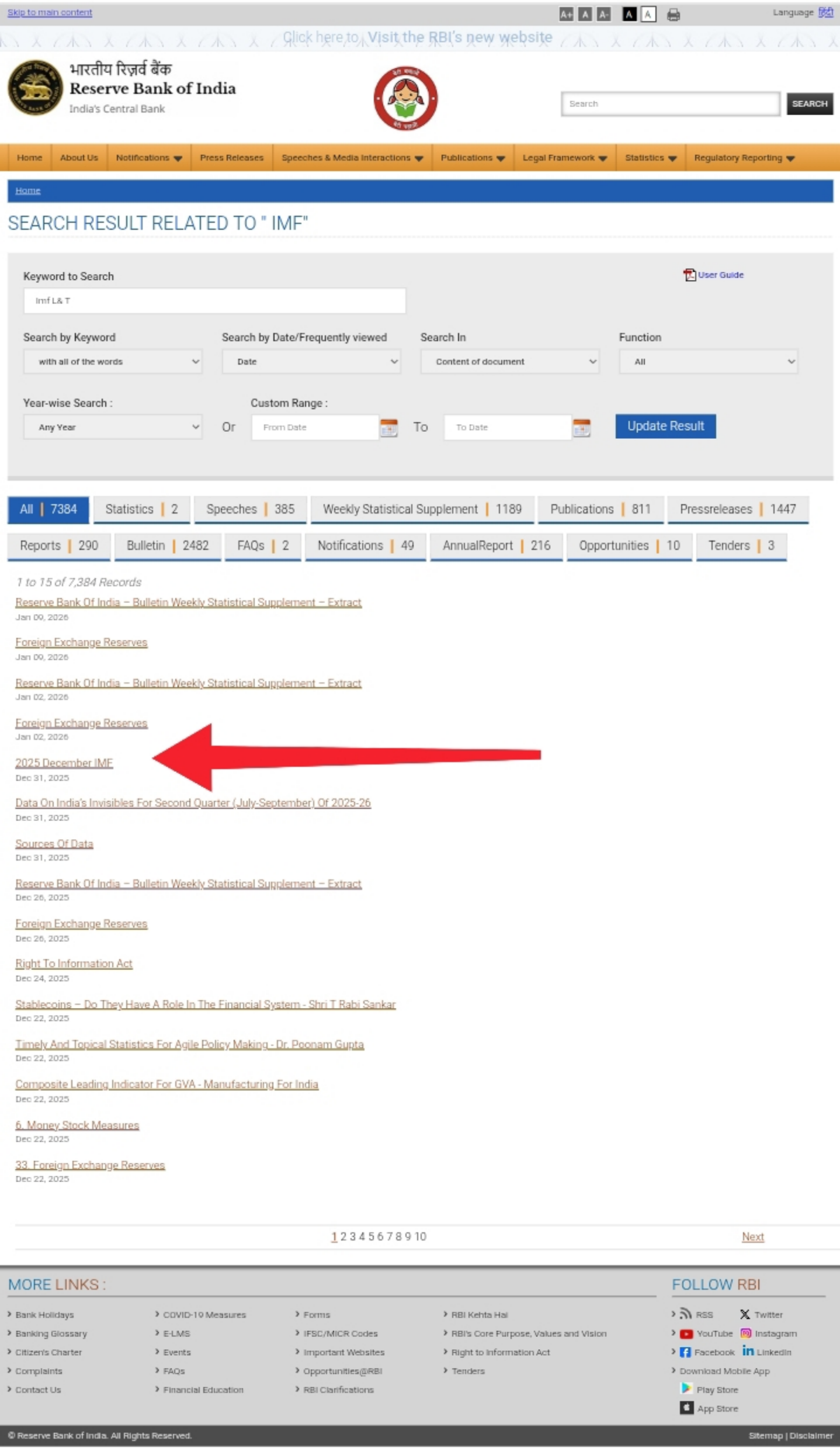
RBI-Aligned Legal Disclaimers*
- 101Locker is a technology platform and does not provide lending, recovery, or financial services.
- 101Locker operates independently.
- 101Locker is not a lender and does not participate in credit decision-making or loan recovery.
- All financial products and lending decisions are solely managed by regulated lending institutions.
- 101Locker provides device-level technology solutions subject to applicable laws and partner policies.
- Use of 101Locker solutions is governed by contractual agreements and applicable RBI guidelines.
- 101Locker does not enforce collections and does not engage in coercive or recovery practices.
- Any device access controls, where applicable, are implemented by lenders in compliance with law.
- 101Locker does not guarantee loan approval, repayment outcomes, or credit performance.
- 101Locker's services are subject to regulatory developments and legal interpretation.
- 101Locker is a technology platform & service provider, not a lender or recovery agency.